
Living in New Orleans means battling heat that climbs into attics and stays there, driving up cooling costs and creating perfect conditions for mold. When your AC runs nonstop and your energy bills spike, you start wondering if better attic ventilation could help. The two main options homeowners consider are solar attic fans and ridge vents, but which one actually works better in our unique Gulf Coast climate? Energy Department solar attic fan guide.
Solar attic fans use powered motors to actively pull hot air out of your attic space, while ridge vents rely on passive airflow through convection. Both have their place, but New Orleans presents specific challenges that make this decision more complex than in other parts of the country. What to Do When Your New Orleans Roof Starts Leaking During a Downpour.
How Ridge Vents Work in Our Climate
Ridge vents run along the peak of your roof, allowing hot air to escape through a continuous opening covered by special shingles. As attic air heats up, it naturally rises and exits through the ridge vent, creating a chimney effect. This passive system works best when paired with soffit vents that allow cool air to enter from below. The Best Shingles to Withstand New Orleans Heat and Humidity.
The beauty of ridge vents lies in their simplicity. No moving parts means no motors to fail, no electricity to consume, and minimal maintenance. In New Orleans, where hurricane-force winds and driving rain are common, ridge vents have proven themselves over decades of installation.
However, ridge vents depend entirely on temperature differences to create airflow. On still, humid summer days when the outside temperature barely drops at night, ridge vents can struggle to move enough air to make a significant difference in attic temperature.
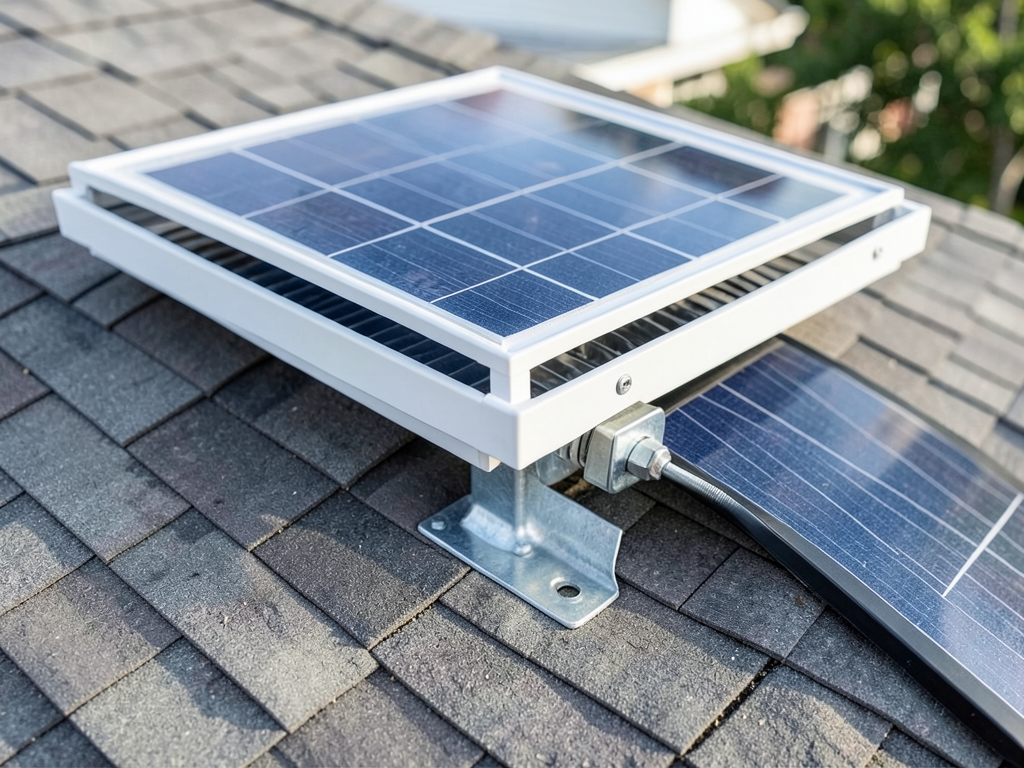
Solar Attic Fans: Active Cooling When You Need It Most
Solar attic fans mount on your roof and use photovoltaic panels to power fans that actively pull hot air out of the attic. When the sun hits the panel, the fan spins faster, removing more hot air exactly when attic temperatures peak.
The 26% federal tax credit for solar installations makes these fans more attractive financially. A typical 30-watt solar fan can move 1,200 cubic feet per minute of air, significantly more than most ridge vent systems can handle passively.
In New Orleans’ brutal summer heat, where attic temperatures often exceed 150 degrees Fahrenheit, that active cooling can make a noticeable difference in your home’s comfort and your AC’s workload. The fans kick on automatically when the sun is strongest, requiring no manual intervention.
The downside? Solar fans have moving parts that can wear out, and they represent a higher upfront investment than ridge vents. Quality solar fans with hurricane-rated mounting hardware cost between $800 and $1,200 installed.
Side-by-Side Comparison: What Actually Matters in New Orleans
| Feature | Ridge Vents | Solar Attic Fans |
|---|---|---|
| Installation Cost | $400 – $700 | $800 – $1,200 |
| Monthly Energy Savings | $5 – $15 | $15 – $30 |
| Noise Level | Silent | Low hum when active |
| Wind Rating | Up to 150 mph | Up to 170 mph (with proper mounts) |
| Maintenance Required | None | Motor bearing check every 2-3 years |
The Humidity Factor: Why New Orleans is Different
New Orleans’ 90% relative humidity creates problems that homeowners in drier climates never face. When warm, moist air gets trapped in your attic, it condenses on cooler surfaces like roof decking and rafters. This condensation creates the perfect breeding ground for mold and wood rot. What Metairie Homeowners Need to Do for Emergency Storm Damage and Tarping.
Ridge vents alone often cannot move enough air to prevent this moisture buildup during our long, humid summers. The air exchange rate simply isn’t high enough to keep attic humidity below the 60% threshold where mold growth accelerates.
Solar fans, by actively moving 1,200+ cubic feet per minute of air, can maintain better air exchange rates. This active ventilation helps keep attic humidity levels lower, reducing the risk of mold growth on roof sheathing and insulation.
Louisiana State Uniform Construction Code requires attic ventilation systems to provide at least 1 square foot of net-free area for every 300 square feet of attic space. Many older New Orleans homes fall short of this requirement, making active ventilation even more important. Louisiana State Uniform Construction Code.
The Short Circuit Problem: Why You Can’t Just Add Both
Homeowners often ask if they can install solar fans on a roof that already has ridge vents. The answer is complicated. When a solar fan pulls air out of the attic, that air needs to come from somewhere. If ridge vents are nearby, the fan will pull air through them instead of through the soffit vents where it should enter.
This creates what ventilation experts call a “short circuit.” The airflow pattern becomes disrupted, and the system loses efficiency. The fan ends up fighting against the natural ridge vent airflow rather than working with it.
Proper ventilation design requires careful planning of intake and exhaust locations. In most cases, you either commit to a ridge vent system with proper soffit intake, or you install solar fans with dedicated intake vents elsewhere on the roof.
Recommendation for New Orleans Homeowners
For most New Orleans homes, especially those in areas like Kenner, Harvey, and Timberlane where summer heat and humidity are relentless, solar attic fans provide better performance. The active ventilation handles our extreme conditions more effectively than passive systems.. Read more about Does Your Kenner Roof Help Block Out Noise From MSY Airport?.
However, the best choice depends on your specific roof configuration. Hip roofs with limited ridge length benefit more from solar fans. Gable roofs with long ridges might perform adequately with properly installed ridge vents and soffit intake.
Here’s a pro tip: If you have a roof with both hips and gables, consider a hybrid approach. Install ridge vents on the long gable sections and add a solar fan at the hip ends where airflow naturally stagnates.
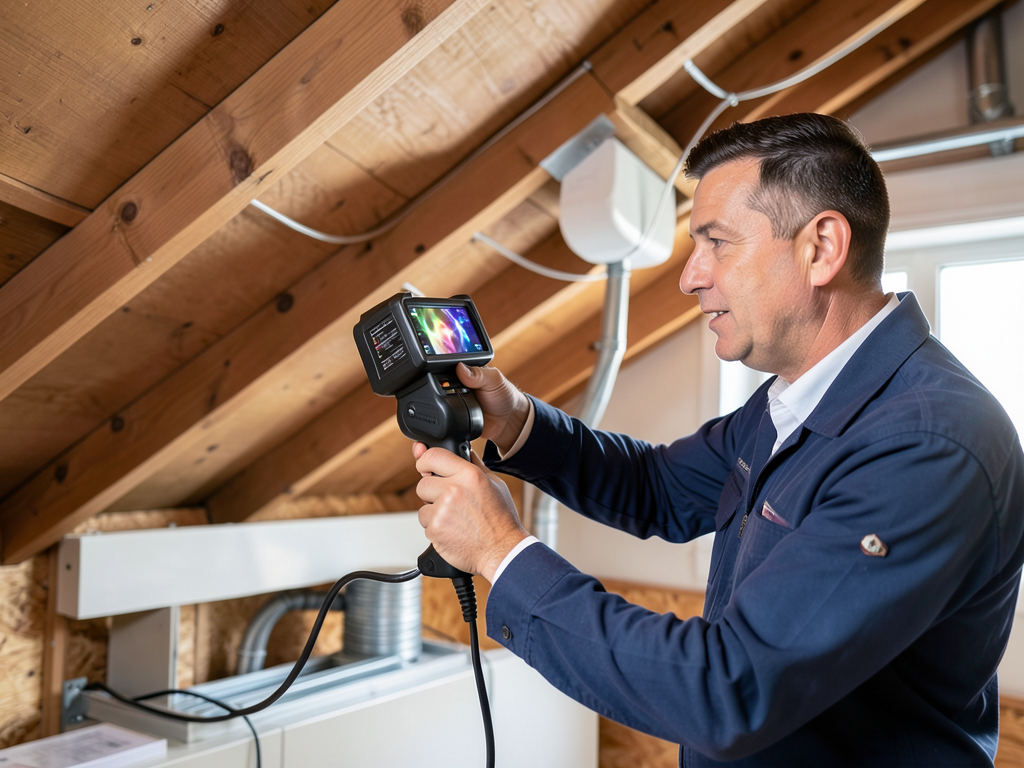
Before making any decisions, have a professional assess your current ventilation setup. Many New Orleans homes have inadequate ventilation due to age or poor original installation. A proper assessment includes measuring attic temperatures, checking for moisture damage, and evaluating your existing vent layout.
Call (504) 355-3444 today to schedule your ventilation assessment. Our team can measure your attic’s actual performance and recommend the right solution for your specific home and budget.
Frequently Asked Questions
Will solar attic fans work during power outages?
Yes. Solar attic fans operate independently of your home’s electrical system. They turn on when sunlight hits the panel and continue running as long as there’s daylight, making them reliable during summer storms when power outages are common. Finding a Reliable Roofer in the Garden District Who Understands Historic Homes.
How long do solar attic fans typically last in our climate?
Quality solar attic fans installed with proper hurricane-rated mounts typically last 10-15 years in New Orleans. The motors handle the heat well, but the bearings may need replacement around year 7-10. Regular inspection helps catch issues before complete failure.
Can ridge vents handle hurricane-force winds?
Yes, when properly installed according to manufacturer specifications. Most quality ridge vents are rated for winds up to 150 mph. However, the installation quality matters more than the product rating. Improper nailing or sealant can lead to failure even with high-rated products.
What’s the return on investment for solar attic fans?
Most homeowners see full ROI within 3-5 years through reduced AC usage and extended roof life. The 26% federal tax credit also applies, improving the economics. Factor in the mold prevention benefits, and the investment becomes even more attractive for New Orleans homes.
Do I need permits for attic ventilation upgrades?
Yes. Jefferson Parish and New Orleans both require permits for roof ventilation modifications. The work must comply with Louisiana State Uniform Construction Code ventilation requirements. A licensed contractor handles the permitting process as part of the installation.
Don’t let another summer of high energy bills and attic heat damage your home. Whether you need ridge vents, solar fans, or a complete ventilation assessment, the experts at Heritage Roofing understand New Orleans’ unique climate challenges. Call (504) 355-3444 now to schedule your consultation and take the first step toward a cooler, more efficient home. Specialized Roofing Solutions for Properties in the French Quarter.
{
“@context”: “https://schema.org”,
“@type”: “BlogPosting”,
“headline”: “Solar Attic Fans vs Ridge Vents — Which One Fights the New Orleans Heat Better?”,
“description”: “Comparing solar attic fans and ridge vents for New Orleans homes. Discover which ventilation system handles our humidity and heat better.”,
“wordCount”: 1374,
“datePublished”: “2026-05-27T12:29:00.000Z”,
“dateModified”: “2026-05-27T12:29:00.000Z”,
“inLanguage”: “en-US”,
“mainEntityOfPage”: {
“@type”: “WebPage”,
“@id”: “https://heritageroofingneworleans.com”
},
“publisher”: {
“@type”: “LocalBusiness”,
“name”: “Heritage Roofing New Orleans”,
“url”: “https://heritageroofingneworleans.com”
},
“author”: {
“@type”: “Organization”,
“name”: “Heritage Roofing New Orleans”,
“url”: “https://heritageroofingneworleans.com”
},
“image”: {
“@type”: “ImageObject”,
“url”: “https://heritageroofingneworleans.com/wp-content/uploads/2026/03/solar-attic-fans-vs-ridge-vents-which-one-fights-t-1.png”
}
}
{
“@context”: “https://schema.org”,
“@type”: “RoofingContractor”,
“name”: “Heritage Roofing New Orleans”,
“url”: “https://heritageroofingneworleans.com”,
“address”: {
“@type”: “PostalAddress”,
“addressLocality”: “New Orleans”
},
“areaServed”: {
“@type”: “City”,
“name”: “New Orleans”
}
}
{
“@context”: “https://schema.org”,
“@type”: “FAQPage”,
“mainEntity”: [
{
“@type”: “Question”,
“name”: “Will solar attic fans work during power outages?”,
“acceptedAnswer”: {
“@type”: “Answer”,
“text”: “Yes. Solar attic fans operate independently of your home’s electrical system. They turn on when sunlight hits the panel and continue running as long as there’s daylight, making them reliable during summer storms when power outages are common. Finding a Reliable Roofer in the Garden District Who Understands Historic Homes.”
}
},
{
“@type”: “Question”,
“name”: “How long do solar attic fans typically last in our climate?”,
“acceptedAnswer”: {
“@type”: “Answer”,
“text”: “Quality solar attic fans installed with proper hurricane-rated mounts typically last 10-15 years in New Orleans. The motors handle the heat well, but the bearings may need replacement around year 7-10. Regular inspection helps catch issues before complete failure.”
}
},
{
“@type”: “Question”,
“name”: “Can ridge vents handle hurricane-force winds?”,
“acceptedAnswer”: {
“@type”: “Answer”,
“text”: “Yes, when properly installed according to manufacturer specifications. Most quality ridge vents are rated for winds up to 150 mph. However, the installation quality matters more than the product rating. Improper nailing or sealant can lead to failure even with high-rated products.”
}
},
{
“@type”: “Question”,
“name”: “What’s the return on investment for solar attic fans?”,
“acceptedAnswer”: {
“@type”: “Answer”,
“text”: “Most homeowners see full ROI within 3-5 years through reduced AC usage and extended roof life. The 26% federal tax credit also applies, improving the economics. Factor in the mold prevention benefits, and the investment becomes even more attractive for New Orleans homes.”
}
}
]
}
{
“@context”: “https://schema.org”,
“@type”: “BreadcrumbList”,
“itemListElement”: [
{
“@type”: “ListItem”,
“position”: 1,
“name”: “Home”,
“item”: “https://heritageroofingneworleans.com”
},
{
“@type”: “ListItem”,
“position”: 2,
“name”: “Blog”,
“item”: “https://heritageroofingneworleans.com/blog”
},
{
“@type”: “ListItem”,
“position”: 3,
“name”: “Solar Attic Fans vs Ridge Vents — Which One Fights the New Orleans Heat Better?”
}
]
}
{
“@context”: “https://schema.org”,
“@type”: “Service”,
“serviceType”: “Roofing”,
“provider”: {
“@type”: “LocalBusiness”,
“name”: “Heritage Roofing New Orleans”,
“url”: “https://heritageroofingneworleans.com”
},
“areaServed”: {
“@type”: “City”,
“name”: “New Orleans”
},
“description”: “Comparing solar attic fans and ridge vents for New Orleans homes. Discover which ventilation system handles our humidity and heat better.”
}