
Using Zinc and Copper Strips to Naturally Kill Algae on Shaded Covington Roofs
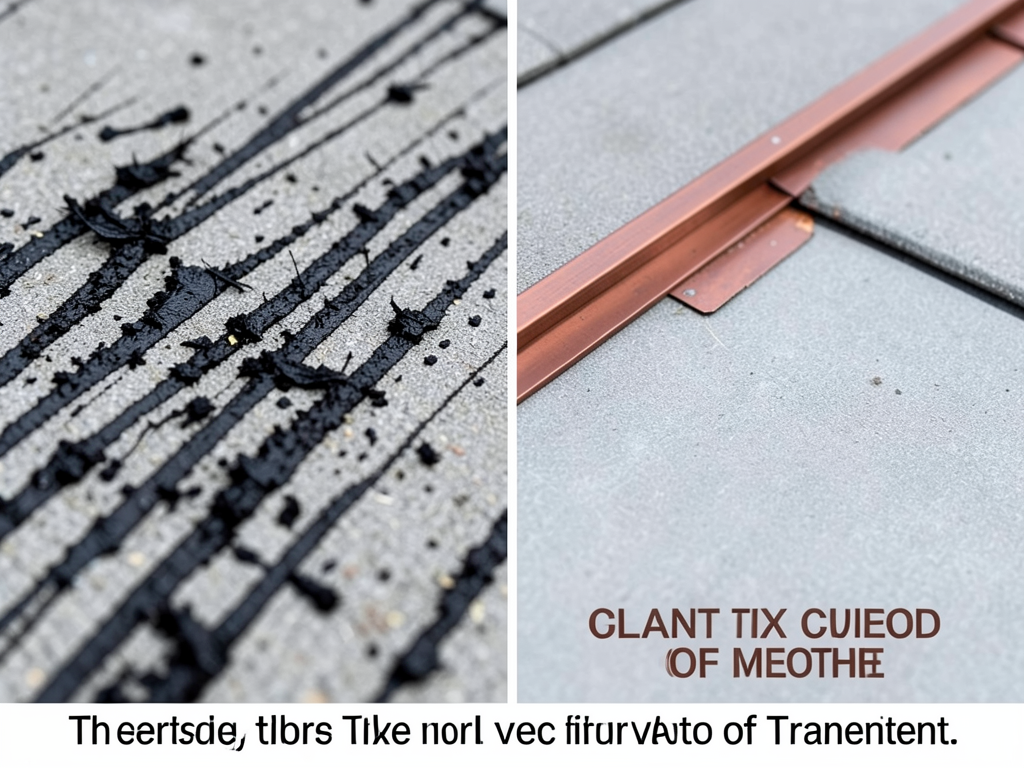
Your Covington roof shows black streaks running down the shingles. Those dark lines are not dirt. They are Gloeocapsa magma, a hardy blue-green algae that thrives in Louisiana’s humid climate. The streaks form when algae feed on limestone filler in asphalt shingles, especially on north-facing slopes that stay damp and shaded. Once established, the algae spread quickly across your roof surface, creating an unsightly appearance and potentially shortening shingle life by up to 20%. The Best Shingles to Withstand New Orleans Heat and Humidity.
The good news is that zinc and copper strips offer a proven, chemical-free solution. When rainwater hits these metal strips installed near the roof peak, it creates a mild fungicidal wash that flows down the roof surface. This natural barrier prevents new algae colonies from taking hold while gradually killing existing growth. The process works continuously, protecting your roof without harsh chemicals or pressure washing that could void your warranty.
Covington homes face unique challenges. The area’s 60+ inches of annual rainfall and high humidity create perfect conditions for algae growth. Many Covington neighborhoods feature mature trees that provide beautiful shade but also block sunlight needed to dry roof surfaces. Without intervention, algae can return year after year, creating a cycle of cleaning and regrowth that wastes money and damages shingles.
Understanding how algae affect your roof helps you make informed decisions. The black streaks are more than cosmetic. As algae colonies expand, they hold moisture against shingle surfaces, creating conditions for moss and lichen growth. These organisms can lift shingle edges, allowing water infiltration. The trapped moisture also accelerates granule loss, reducing your roof’s ability to reflect heat and withstand UV damage.
How Zinc and Copper Strips Work
Zinc and copper strips function through a simple electrochemical process. When rainwater contacts the metal strips, it creates a mild ionic solution that flows down the roof. This solution is toxic to algae but harmless to your shingles, plants, and pets. The effect is similar to how copper pennies prevent algae growth in birdbaths.
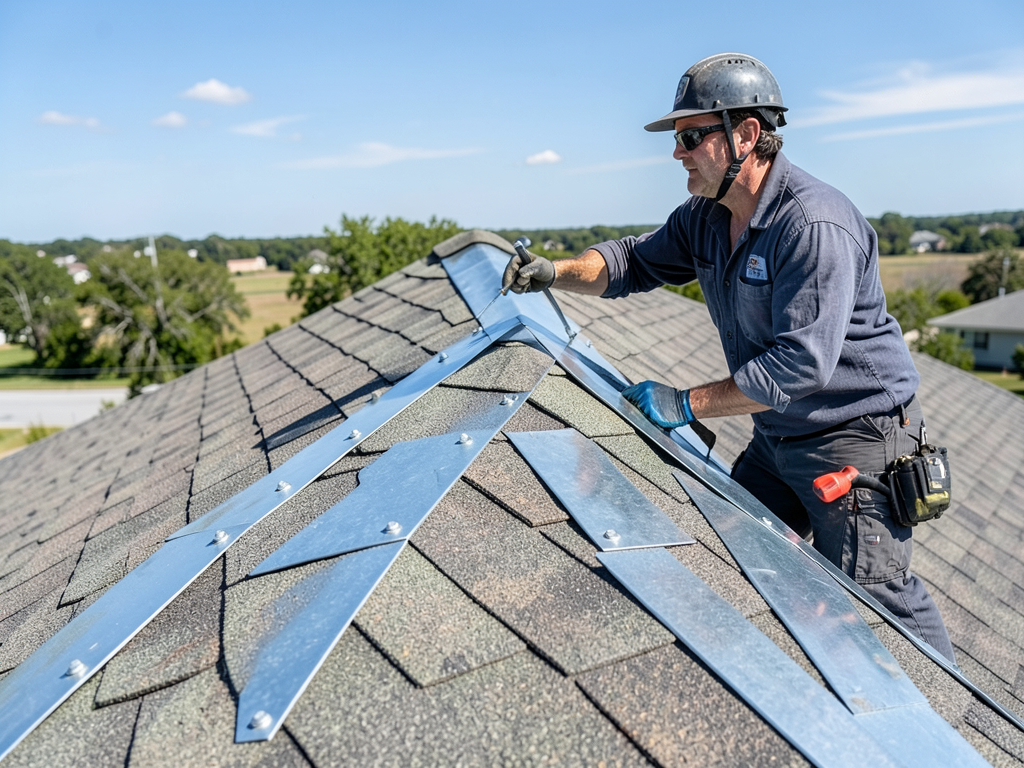
Zinc strips typically come in 2-4 inch wide rolls that install under the top layer of shingles near the roof peak. As rain washes over the exposed metal, zinc ions dissolve into the water and create a protective barrier. Copper strips work the same way but often provide longer-lasting protection since copper ions are more potent against algae.
The effectiveness depends on several factors. Heavy rainfall areas like Covington benefit more from this treatment since consistent moisture activates the metal strips. Roof pitch also matters. Steeper slopes allow better water flow, carrying more of the protective solution down the roof face. North-facing slopes typically show the most dramatic improvement since they receive the least sunlight for natural drying.
Installation timing affects results. Spring installation allows the full rainy season to activate the strips and establish protection before summer heat intensifies algae growth. However, strips work year-round, so installation during any dry period still provides benefits. The key is ensuring proper overlap between strips so the protective solution covers the entire roof surface.
Comparing Zinc vs Copper Strips
| Feature | Zinc Strips | Copper Strips |
|---|---|---|
| Initial Cost | $$ | $$$ |
| Lifespan | 5-7 years | 7-10 years |
| Algae Kill Rate | Moderate | High |
| Visual Impact | Silver-gray | Reddish-brown patina |
| Best For | Budget-conscious homeowners | Severe algae problems |
Zinc strips offer the most cost-effective solution for mild to moderate algae problems. They install easily and provide reliable protection for several years. The silver-gray color blends reasonably well with most shingle colors, though it may show slightly against very dark shingles. Finding a Reliable Roofer in the Garden District Who Understands Historic Homes.
Copper strips cost more upfront but deliver superior performance. The copper ions are more toxic to algae, providing faster results and longer protection. Over time, copper develops a green patina that many homeowners find attractive. This natural weathering actually enhances the strip’s effectiveness by increasing surface area for ion release. What Metairie Homeowners Need to Do for Emergency Storm Damage and Tarping.
Hybrid installations combine both metals for maximum protection. Install copper strips at the highest roof points where water first contacts the surface, then use zinc strips lower down. This creates a stronger initial kill zone while maintaining protection across the entire roof face.
Installation Process and Best Practices
Professional installation ensures optimal performance and prevents roof damage. The process starts with a thorough roof inspection to identify problem areas and assess current algae growth. Technicians check for damaged shingles, proper ventilation, and existing moisture problems that could undermine the treatment. What to Do When Your New Orleans Roof Starts Leaking During a Downpour.
Before installing strips, the roof surface needs cleaning. Pressure washing is never recommended as it can strip granules and void warranties. Instead, soft washing with sodium hypochlorite solution kills existing algae without damaging shingles. This step ensures the metal strips work against new growth rather than fighting established colonies.
Proper strip placement is critical. Install strips just below the roof peak, extending 2-3 inches beyond the roof edge on each side. This ensures complete coverage as water flows down both roof faces. For complex roof designs with multiple peaks, install strips at each high point to create overlapping protection zones.
Secure installation prevents wind damage and ensures consistent performance. Use corrosion-resistant nails or screws designed for roofing applications. Space fasteners every 12-18 inches along the strip length. Overlap strip sections by at least 6 inches to prevent gaps in protection. The goal is creating an unbroken barrier along the entire roof peak. Specialized Roofing Solutions for Properties in the French Quarter.
Complementary Algae Prevention Strategies
Metal strips work best as part of a comprehensive prevention plan. Tree management plays a crucial role. Trim branches that overhang the roof to increase sunlight exposure and improve air circulation. This reduces moisture retention and creates less favorable conditions for algae growth.
Gutter maintenance prevents water backup that keeps roof surfaces damp. Clean gutters twice yearly, removing leaves and debris that trap moisture. Ensure downspouts direct water away from the foundation to prevent splash-back onto lower roof sections. Consider installing gutter guards to reduce maintenance frequency.. Read more about Dealing With Sticky Pine Sap and Oak Debris on Your Mandeville Roof.
Algae-resistant shingles offer another prevention layer. These products contain copper granules mixed into the shingle surface during manufacturing. While more expensive upfront, they provide long-term protection without additional maintenance. For Covington homes with severe algae history, combining resistant shingles with metal strips creates the strongest defense.
Regular roof inspections catch problems early. Check your roof twice yearly, looking for algae streaks, moss growth, or damaged shingles. Early intervention prevents minor issues from becoming major repairs. Document changes with photos to track algae patterns and treatment effectiveness over time. EPA guidelines.
Cost Analysis and ROI
Metal strip installation costs vary based on roof size, complexity, and material choice. A typical Covington home with 2,000 square feet of roof area might spend $800-1,500 for zinc strips or $1,200-2,000 for copper strips. These costs include cleaning, installation, and warranty coverage.
Compare this to repeated professional cleaning services. Annual soft washing costs $300-500 per treatment. Over five years, this totals $1,500-2,500, exceeding the one-time strip installation cost. More importantly, repeated cleaning can damage shingles, potentially leading to premature replacement costs of $8,000-15,000.
The return on investment extends beyond direct cost savings. A clean, well-maintained roof enhances curb appeal and property value. For homes in Covington’s competitive real estate market, this aesthetic improvement can translate to faster sales and better offers. Energy efficiency also improves as clean shingles reflect more heat, potentially reducing cooling costs by 5-10% during Louisiana’s hot summers.
Insurance considerations matter too. Some policies offer premium discounts for proactive maintenance that extends roof life. Check with your provider about maintenance credits. Additionally, preventing algae-related damage reduces the likelihood of water infiltration claims that could increase rates or jeopardize coverage.
Local Climate Considerations
Covington’s subtropical climate creates ideal conditions for algae growth. The area’s 70%+ humidity levels mean roof surfaces rarely dry completely between rains. Summer temperatures in the 90s provide warmth that accelerates algae metabolism and reproduction. These conditions make Covington one of the most challenging markets for algae prevention in Louisiana.
The region’s rainfall pattern affects treatment timing. Covington receives most precipitation during summer afternoon thunderstorms. This concentrated moisture means metal strips must be fully installed before June to provide maximum protection during peak algae season. Fall installations still work but may show slower initial results as algae establish during summer.
Local building codes influence installation methods. St. Tammany Parish requires specific fastener types and spacing for roofing accessories. Professional installers understand these requirements and ensure compliance. They also know local wind load requirements, critical for strip security during hurricane season when Covington faces increased storm risk.
Soil composition in Covington affects roof performance. The area’s clay-rich soil retains moisture, creating higher local humidity levels that rise from the ground. This ground-level humidity compounds the algae problem by keeping roof sheathing damp even on sunny days. Metal strips help counteract this by providing continuous protection regardless of ground conditions.
Maintenance and Monitoring
After installation, monitor strip effectiveness through seasonal changes. Algae should begin disappearing within 2-3 months of consistent rainfall. Complete elimination may take 6-12 months as the protective solution gradually kills established colonies. Document progress with photos taken from the same location each season.
Check strip security annually, especially after severe weather. High winds can lift strip edges or dislodge fasteners. Replace any damaged sections promptly to maintain continuous protection. Most quality installations include a 5-year warranty covering material defects and installation failures.
Combine strip monitoring with overall roof health checks. Look for lifted shingles, damaged flashing, or ventilation problems that could create moisture pockets. Address these issues promptly since they can undermine algae prevention efforts. Proper attic ventilation is particularly important as it reduces moisture buildup that feeds algae growth.
Consider professional inspections every 2-3 years. Technicians can assess strip performance, check for new algae growth patterns, and recommend adjustments. They also evaluate overall roof condition, identifying potential problems before they require expensive repairs. This preventive approach maximizes your investment in algae prevention.
Environmental Impact and Safety
Metal strip treatment offers significant environmental advantages over chemical alternatives. The zinc and copper ions released are present in natural soil and water at low concentrations. They target algae specifically without harming beneficial organisms or polluting waterways. This makes the treatment safe for Covington’s nearby wetlands and wildlife areas.
Unlike pressure washing, metal strips don’t create wastewater containing cleaning chemicals, algae debris, and shingle granules. This protects local storm drains and reduces the environmental footprint of roof maintenance. The treatment also eliminates the need for frequent service visits, reducing vehicle emissions and fuel consumption.
Safety considerations extend to your family and pets. The low concentrations of metal ions pose no health risks to humans or animals. Plants beneath the roof line may show slight discoloration from the protective solution, but this is temporary and harmless. The treatment actually benefits gardens by reducing mold and mildew on outdoor surfaces.
Energy efficiency improvements provide additional environmental benefits. Clean, reflective shingles reduce cooling loads, lowering electricity consumption during hot Louisiana summers. This decreased energy demand reduces power plant emissions and helps preserve the local environment that makes Covington attractive to residents and visitors.
Common Installation Mistakes to Avoid
DIY installations often fail due to improper technique. One common error is installing strips too low on the roof. For effective protection, strips must be placed near the peak where water first contacts the surface. Installing them halfway down the slope leaves the upper portion unprotected and allows algae to establish above the treatment zone.
Another frequent mistake involves inadequate overlap between strip sections. Gaps as small as 2-3 inches can allow algae to colonize the unprotected areas. Always overlap sections by at least 6 inches and ensure the protective solution flows continuously across the entire roof peak.
Using incorrect fasteners causes long-term problems. Standard roofing nails may corrode quickly in Louisiana’s humid climate, failing to secure the strips properly. Always use stainless steel or hot-dipped galvanized fasteners rated for coastal environments. These resist corrosion and maintain strip security through multiple storm seasons.
Skipping the cleaning step before installation reduces effectiveness. Existing algae colonies continue growing beneath the strips, eventually overwhelming the protective solution. Always soft wash the roof first, allowing the metal strips to work against new growth rather than fighting established colonies.
Ignoring ventilation needs undermines the entire treatment. Poor attic ventilation creates moisture buildup that feeds algae growth regardless of surface treatment. Address ventilation issues before installing strips to maximize their effectiveness and protect your overall roof investment.
Frequently Asked Questions
How long do zinc and copper strips last?
Zinc strips typically provide 5-7 years of protection, while copper strips last 7-10 years. Lifespan depends on rainfall intensity, roof pitch, and local humidity levels. Covington’s high rainfall may slightly reduce these timeframes, but both materials still offer multi-year protection.
Will the strips damage my shingles?
No. When properly installed, metal strips do not damage asphalt shingles. The protective solution is too dilute to affect shingle integrity. In fact, by preventing algae growth, the strips help extend shingle life by reducing moisture retention and UV degradation.
Can I install the strips myself?
DIY installation is possible but risky. Working on roofs requires proper safety equipment and technique. Professional installation ensures correct placement, secure fastening, and warranty coverage. Mistakes can void roof warranties or create safety hazards.
How soon will I see results?
Initial results appear within 2-3 months of consistent rainfall as the protective solution begins killing algae. Complete elimination may take 6-12 months as the treatment gradually eliminates established colonies. Results vary based on algae severity and local weather conditions.
Are metal strips effective in shaded areas?
Yes. In fact, shaded areas often show the most dramatic improvement since they typically have the worst algae problems. The metal strips provide protection regardless of sunlight exposure, making them ideal for north-facing slopes and areas under tree cover.
What happens when the strips wear out?
When strips lose effectiveness, algae gradually return starting from unprotected areas. You’ll notice black streaks reappearing, typically beginning at the roof edges and working upward. Replacement is straightforward and can be timed with other roof maintenance.
Do metal strips work on all roof types?
Metal strips work best on asphalt shingles, which are most common in Covington. They can also be used on some tile and metal roofs, though installation methods vary. Consult a professional to determine suitability for your specific roof type.
Making the Right Choice for Your Covington Home
Selecting the best algae prevention strategy depends on your specific situation. Consider your roof’s age, current algae severity, budget constraints, and long-term plans for your home. For newer roofs with mild algae problems, zinc strips offer an affordable entry point. Severely affected older roofs may benefit more from copper strips or algae-resistant shingles.
Professional assessment helps identify the most cost-effective solution. Technicians evaluate roof condition, algae patterns, and local factors to recommend the optimal approach. They can also identify underlying issues like poor ventilation or drainage that contribute to algae growth, ensuring you address root causes rather than just symptoms.
Timing matters for maximum effectiveness. Spring installation allows the full rainy season to activate the strips before summer algae growth peaks. However, any dry period works for installation since the strips provide protection once activated by the first significant rainfall.
Consider combining treatments for comprehensive protection. Metal strips handle surface algae while addressing ventilation and drainage issues tackles underlying moisture problems. This integrated approach provides the best long-term results and protects your roof investment for years to come.
Ready to eliminate those black streaks and protect your Covington roof? Call (504) 355-3444 today to schedule your free inspection. Our local experts understand Covington’s unique climate challenges and can recommend the perfect algae prevention solution for your home. Don’t wait until algae damage becomes expensive repairs. Pick up the phone and call (504) 355-3444 before the next storm hits. For more information, visit FEMA recommendations.
{
“@context”: “https://schema.org”,
“@type”: “BlogPosting”,
“headline”: “Using Zinc and Copper Strips to Naturally Kill Algae on Shaded Covington Roofs”,
“description”: “Stop black streaks on your Covington roof. Learn how zinc and copper strips prevent algae growth in Louisiana’s humid climate. Free consultation available.”,
“wordCount”: 2680,
“datePublished”: “2026-06-03T09:14:00.000Z”,
“dateModified”: “2026-06-03T09:14:00.000Z”,
“inLanguage”: “en-US”,
“mainEntityOfPage”: {
“@type”: “WebPage”,
“@id”: “https://heritageroofingneworleans.com”
},
“publisher”: {
“@type”: “LocalBusiness”,
“name”: “Heritage Roofing New Orleans”,
“url”: “https://heritageroofingneworleans.com”
},
“author”: {
“@type”: “Organization”,
“name”: “Heritage Roofing New Orleans”,
“url”: “https://heritageroofingneworleans.com”
},
“image”: {
“@type”: “ImageObject”,
“url”: “https://heritageroofingneworleans.com/wp-content/uploads/2026/03/using-zinc-and-copper-strips-to-naturally-kill-alg-1.png”
}
}
{
“@context”: “https://schema.org”,
“@type”: “RoofingContractor”,
“name”: “Heritage Roofing New Orleans”,
“url”: “https://heritageroofingneworleans.com”,
“address”: {
“@type”: “PostalAddress”,
“addressLocality”: “New Orleans”
},
“areaServed”: {
“@type”: “City”,
“name”: “New Orleans”
}
}
{
“@context”: “https://schema.org”,
“@type”: “FAQPage”,
“mainEntity”: [
{
“@type”: “Question”,
“name”: “How long do zinc and copper strips last?”,
“acceptedAnswer”: {
“@type”: “Answer”,
“text”: “Zinc strips typically provide 5-7 years of protection, while copper strips last 7-10 years. Lifespan depends on rainfall intensity, roof pitch, and local humidity levels. Covington’s high rainfall may slightly reduce these timeframes, but both materials still offer multi-year protection.”
}
},
{
“@type”: “Question”,
“name”: “Will the strips damage my shingles?”,
“acceptedAnswer”: {
“@type”: “Answer”,
“text”: “No. When properly installed, metal strips do not damage asphalt shingles. The protective solution is too dilute to affect shingle integrity. In fact, by preventing algae growth, the strips help extend shingle life by reducing moisture retention and UV degradation.”
}
},
{
“@type”: “Question”,
“name”: “Can I install the strips myself?”,
“acceptedAnswer”: {
“@type”: “Answer”,
“text”: “DIY installation is possible but risky. Working on roofs requires proper safety equipment and technique. Professional installation ensures correct placement, secure fastening, and warranty coverage. Mistakes can void roof warranties or create safety hazards.”
}
},
{
“@type”: “Question”,
“name”: “How soon will I see results?”,
“acceptedAnswer”: {
“@type”: “Answer”,
“text”: “Initial results appear within 2-3 months of consistent rainfall as the protective solution begins killing algae. Complete elimination may take 6-12 months as the treatment gradually eliminates established colonies. Results vary based on algae severity and local weather conditions.”
}
},
{
“@type”: “Question”,
“name”: “Are metal strips effective in shaded areas?”,
“acceptedAnswer”: {
“@type”: “Answer”,
“text”: “Yes. In fact, shaded areas often show the most dramatic improvement since they typically have the worst algae problems. The metal strips provide protection regardless of sunlight exposure, making them ideal for north-facing slopes and areas under tree cover.”
}
},
{
“@type”: “Question”,
“name”: “What happens when the strips wear out?”,
“acceptedAnswer”: {
“@type”: “Answer”,
“text”: “When strips lose effectiveness, algae gradually return starting from unprotected areas. You’ll notice black streaks reappearing, typically beginning at the roof edges and working upward. Replacement is straightforward and can be timed with other roof maintenance.”
}
},
{
“@type”: “Question”,
“name”: “Do metal strips work on all roof types?”,
“acceptedAnswer”: {
“@type”: “Answer”,
“text”: “Metal strips work best on asphalt shingles, which are most common in Covington. They can also be used on some tile and metal roofs, though installation methods vary. Consult a professional to determine suitability for your specific roof type.”
}
}
]
}
{
“@context”: “https://schema.org”,
“@type”: “BreadcrumbList”,
“itemListElement”: [
{
“@type”: “ListItem”,
“position”: 1,
“name”: “Home”,
“item”: “https://heritageroofingneworleans.com”
},
{
“@type”: “ListItem”,
“position”: 2,
“name”: “Blog”,
“item”: “https://heritageroofingneworleans.com/blog”
},
{
“@type”: “ListItem”,
“position”: 3,
“name”: “Using Zinc and Copper Strips to Naturally Kill Algae on Shaded Covington Roofs”
}
]
}
{
“@context”: “https://schema.org”,
“@type”: “Service”,
“serviceType”: “Roofing”,
“provider”: {
“@type”: “LocalBusiness”,
“name”: “Heritage Roofing New Orleans”,
“url”: “https://heritageroofingneworleans.com”
},
“areaServed”: {
“@type”: “City”,
“name”: “New Orleans”
},
“description”: “Stop black streaks on your Covington roof. Learn how zinc and copper strips prevent algae growth in Louisiana’s humid climate. Free consultation available.”
}