
Why You Should Check Your Roof After a Tropical Storm Even If You Don’t See a Leak
High winds and heavy rain from tropical storms can damage your roof in ways you can’t see from the ground. Missing shingles or obvious leaks grab attention but hidden damage often causes bigger problems. Water can seep under intact-looking shingles through tiny cracks or lifted edges. This moisture gets trapped under your roof deck in New Orleans’ humid climate creating perfect conditions for rot and mold growth. By the time you notice a ceiling stain the damage has already spread through your attic insulation and wooden structure. What to Do When Your New Orleans Roof Starts Leaking During a Downpour.
Professional roof inspections after storms catch these invisible problems before they become expensive disasters. A trained inspector uses thermal imaging to detect moisture patterns attic moisture meters to measure water content and drone cameras to examine hard-to-reach areas. These tools reveal damage that would cost you thousands if left untreated. Insurance companies also require prompt inspection documentation for storm claims. Waiting even a few weeks can mean your claim gets denied as wear and tear instead of storm damage.
Call (504) 355-3444 today to schedule your storm damage inspection before the next system approaches.
Why Hidden Damage is More Dangerous Than a Visible Leak
Visible leaks grab attention because water drips on your floor. Hidden damage works silently destroying your roof structure from the inside out. A small crack in a shingle lets water penetrate during storms. This moisture gets trapped between your shingles and roof deck where Louisiana’s 90% humidity prevents it from drying. Over weeks this trapped water causes wood rot spreads to support beams and creates perfect mold growth conditions. Louisiana Department of Insurance.
Thermal imaging cameras detect these moisture patterns by showing temperature differences. Wet areas appear cooler than dry ones even when covered by intact shingles. Professional inspectors also check for shingle seal failure where high winds lift shingle edges without completely tearing them off. These weakened seals let wind-driven rain seep underneath during the next storm. The Best Shingles to Withstand New Orleans Heat and Humidity.
Heritage Roofing inspectors use moisture meters to test roof deck integrity at multiple points. A reading above 15% moisture content indicates active water intrusion requiring immediate repair. Without these diagnostic tools you would never know your roof has been slowly deteriorating since the last storm. Specialized Roofing Solutions for Properties in the French Quarter.
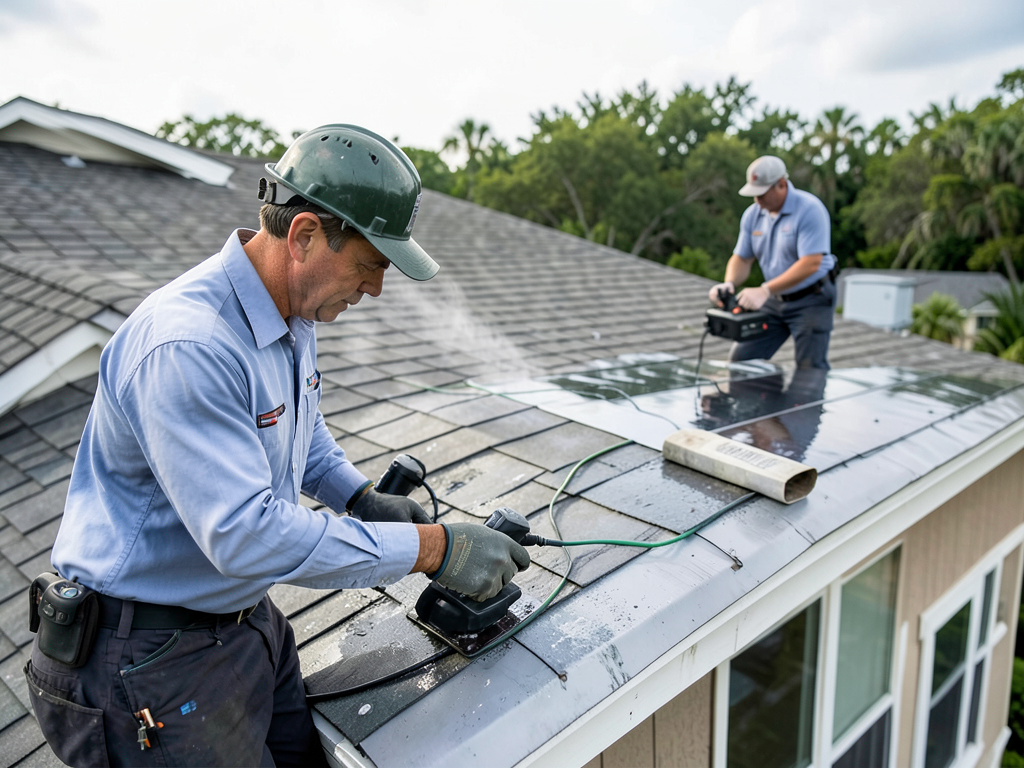
Diagram showing thermal imaging scan results highlighting moisture intrusion patterns under seemingly intact shingles
The Most Common Types of Undetected Damage in Louisiana
Hail damage often goes unnoticed because hailstones create tiny dents called bruises in asphalt shingles. These bruises break the protective granule layer exposing the asphalt to UV rays and water. Over months this exposed asphalt deteriorates causing premature shingle failure. Wind uplift creates another hidden threat by loosening shingle seals. High winds don’t always tear shingles completely off but they weaken the adhesive strip that holds them down.
Flashing damage around chimneys vents and skylights represents another common hidden problem. Storms can bend or separate flashing allowing water to enter around these roof penetrations. The damage might look minor from the ground but water follows the path of least resistance finding its way into your attic through the smallest gaps. Finding a Reliable Roofer in the Garden District Who Understands Historic Homes.
Roof decking damage often occurs when water pools in low spots after storms. This standing water seeps through nail holes or minor cracks gradually saturating the plywood or OSB beneath. Heritage Roofing inspectors use a screwdriver test to check for soft spots in the decking by pressing the tool into suspect areas. If the screwdriver penetrates easily the wood has lost structural integrity.
| Damage Type | Visible Signs | Hidden Indicators | Detection Method |
|---|---|---|---|
| Hail Bruising | None | Exposed asphalt spots | Close inspection |
| Wind Uplift | Curling edges | Failed seals | Seal test |
| Flashing Separation | None | Water stains nearby | Moisture meter |
| Deck Rot | Sagging areas | Soft spots | Screwdriver test |
The New Orleans Humidity Factor
New Orleans’ subtropical climate creates unique challenges for roof integrity after storms. Our average humidity stays above 70% year-round often reaching 90% during summer months. This moisture-rich air prevents wet materials from drying quickly after storm events. A small leak that would dry in 24 hours in Arizona can stay wet for weeks in New Orleans.. Read more about Can You Actually Install a New Roof During a New Orleans Winter?.
Attic spaces in our raised homes trap this moisture creating condensation on the underside of roof decks. When storm water enters through minor damage this condensation adds to the moisture load. Within 48 hours mold spores begin growing on wet wood surfaces. By day five colonies establish themselves and start spreading through your attic space.
Heritage Roofing recommends checking attic humidity levels after storms using hygrometers. Readings above 60% indicate moisture problems requiring immediate attention. Our inspectors also look for condensation patterns on metal fasteners and plumbing vents which signal trapped moisture in the attic space.
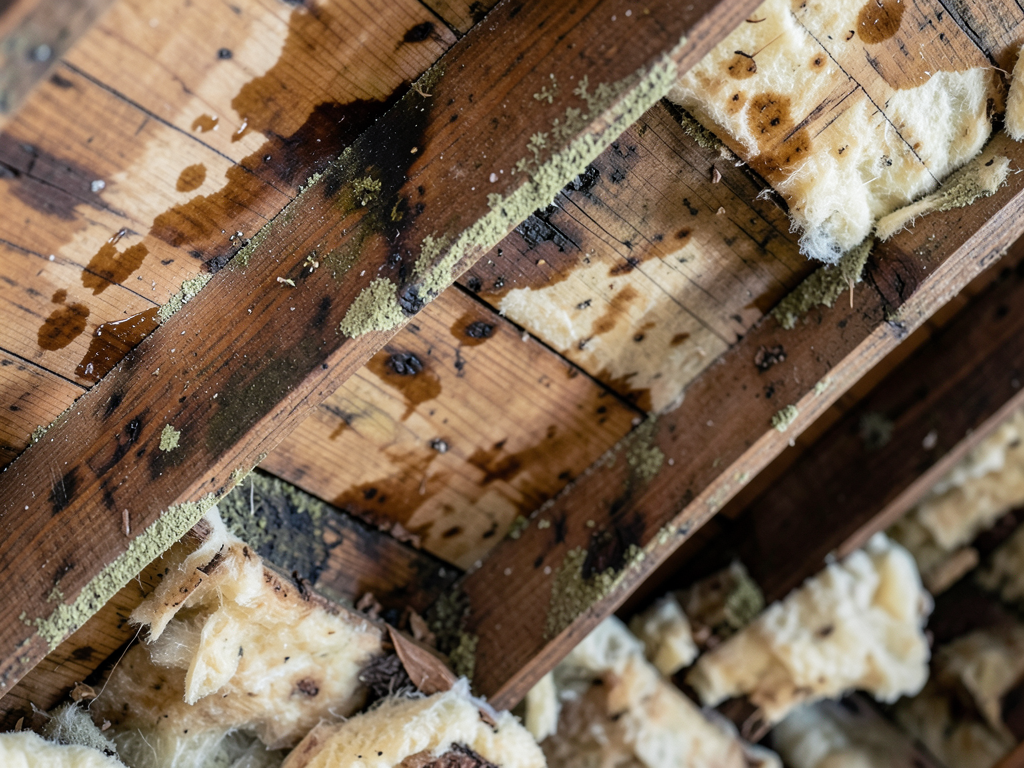
Photo showing attic condensation on roof decking and mold growth on rafters after undetected storm damage
Insurance Timelines: Why Waiting is a Financial Risk
Louisiana insurance regulations give homeowners specific timeframes for filing storm damage claims. Most policies require notification within 365 days of the storm event. However waiting even 30 days creates problems with your claim. Insurance adjusters look for signs of gradual deterioration versus sudden storm damage. What Metairie Homeowners Need to Do for Emergency Storm Damage and Tarping.
Without prompt inspection documentation insurance companies often deny claims arguing the damage resulted from poor maintenance rather than the storm. They examine roof age condition and previous repair history. A roof with pre-existing wear might not qualify for replacement coverage even with new storm damage.
Louisiana Department of Insurance Bulletin 2016-2 requires insurers to consider cumulative damage from multiple storms. This means damage from Hurricane Ida combined with damage from a later tropical storm could qualify for a single claim if properly documented. Heritage Roofing provides detailed inspection reports with date-stamped photos showing damage patterns consistent with specific storm events.. Read more about Understanding the Hurricane Deductible on Your Louisiana Homeowners Policy.
Insurance companies also require estimates from licensed contractors familiar with local building codes. Our inspectors understand Jefferson Parish wind load requirements and Louisiana State Uniform Construction Code specifications. This expertise ensures your claim includes all necessary repairs to bring your roof up to current standards.
Professional Detection Tools We Use
Thermal imaging cameras represent our primary diagnostic tool for finding hidden moisture. These cameras detect infrared energy emitted by objects showing temperature differences as color variations. Wet materials hold heat differently than dry ones creating distinct patterns under shingles. A trained inspector can identify moisture intrusion areas even when the roof surface appears completely normal.
Moisture meters measure electrical resistance in building materials. Wood with high moisture content conducts electricity more easily than dry wood. Our meters test roof decking at multiple depths ensuring we detect moisture that has penetrated below the surface. Readings above 15% indicate active water intrusion requiring repair.
Drone technology allows safe inspection of steep or high roofs without ladders. High-resolution cameras capture detailed images of roof surfaces including areas around chimneys and in valleys where damage often concentrates. Drones also provide before and after documentation useful for insurance claims.
Heritage Roofing inspectors also use borescopes to examine attic spaces through small access holes. These flexible cameras show conditions in hard-to-reach areas without requiring complete attic entry. We check for proper ventilation which prevents moisture buildup and extends roof life.
- Safety First
Never walk on a wet or steep roof. Use binoculars from the ground to look for obvious damage like missing shingles or debris.
- Interior Inspection
Check your attic for water stains wet insulation or daylight showing through roof boards. Look for sagging areas in your ceiling.
- Ground Assessment
Look for shingle granules in your yard or gutters. Check for damaged or displaced flashing around chimneys and vents.
- Professional Inspection
Call (504) 355-3444 for a comprehensive inspection using thermal imaging and moisture meters. Document all findings with dated photos.
Common Hidden Damage Locations in New Orleans Homes
Roof valleys collect water during storms making them prime locations for hidden damage. Water flows down these channels at high velocity during heavy rain finding any weakness in the roofing material. The constant water flow can erode sealant and separate flashing joints over time.
Areas around roof penetrations like plumbing vents exhaust fans and skylights often hide storm damage. High winds can bend or separate the flashing boots that seal these openings. Water then enters around the penetration following the path of least resistance into your attic space.
Roof edges and rakes face the brunt of wind-driven rain during storms. Water can be forced under shingles at these exposed locations especially if the drip edge flashing is damaged or improperly installed. This water infiltration often goes unnoticed until rot develops in the fascia boards.
Heritage Roofing inspectors pay special attention to these vulnerable areas during post-storm inspections. We check seal integrity measure moisture levels and document any signs of water intrusion. Early detection prevents the structural damage that occurs when water remains trapped in your roof system.
Photo showing damaged flashing around a plumbing vent stack with water staining on the surrounding shingles
Why Professional Inspection Beats DIY Assessment
Homeowners often miss critical damage signs during DIY inspections. You might see missing shingles but miss the failed seals that will cause leaks in the next storm. Professional inspectors understand how water moves through roofing systems and where to look for early warning signs.
Insurance companies also prefer professional documentation over homeowner observations. Licensed contractors provide detailed reports with specific measurements code compliance information and repair recommendations. This documentation carries more weight with adjusters than photos taken from the ground.
Heritage Roofing provides free storm damage inspections to New Orleans homeowners. Our inspectors arrive with thermal imaging cameras moisture meters and detailed knowledge of local building requirements. We identify problems early when repairs cost less and prevent the structural damage that occurs with delayed treatment.
Don’t wait for water to appear on your ceiling. Hidden damage only gets worse with each passing storm. Call (504) 355-3444 today to schedule your professional inspection. We’ll provide a comprehensive assessment with clear recommendations and help you understand your insurance options.
Frequently Asked Questions
How soon after a storm should I have my roof inspected?
Schedule an inspection within 48-72 hours after any tropical storm or hurricane. This timing allows for proper documentation while damage is fresh and before additional weather events occur. Early inspection also prevents moisture from causing secondary damage like rot and mold growth.
Will my insurance cover the cost of a professional inspection?
Most insurance policies cover inspection costs if damage is found and a claim is filed. Some companies require estimates from licensed contractors as part of the claims process. Heritage Roofing provides detailed inspection reports that meet insurance company requirements for documentation.
What should I do if I find damage myself?
Document the damage with photos and notes about when you discovered it. Avoid climbing on the roof yourself as this can cause additional damage and create safety hazards. Contact (504) 355-3444 for a professional assessment and temporary tarping if needed to prevent further water intrusion.
How long does a professional roof inspection take?
A comprehensive inspection typically takes 1-2 hours depending on roof size and complexity. Thermal imaging and moisture testing add time but provide crucial information about hidden damage. We provide a written report with findings and recommendations within 24 hours of the inspection.
Can I wait until I see a leak to call for an inspection?
Waiting until you see a leak means damage has already occurred inside your home. By then water has penetrated through multiple layers causing rot mold and structural damage. Early inspection costs much less than repairing water-damaged ceilings walls and insulation after leaks develop.
Don’t risk your home’s structural integrity by ignoring potential storm damage. Call (504) 355-3444 now to schedule your professional inspection. Our experienced team will identify hidden problems and provide clear recommendations to protect your investment. For more information, visit FEMA guidelines for storm damage assessment.
{
“@context”: “https://schema.org”,
“@type”: “BlogPosting”,
“headline”: “Why You Should Check Your Roof After a Tropical Storm Even If You Don’t See a Leak”,
“description”: “Hidden storm damage can cause serious roof problems in New Orleans. Learn why you need a professional inspection after every tropical storm, even without visible leaks.”,
“wordCount”: 2026,
“datePublished”: “2026-05-31T06:49:00.000Z”,
“dateModified”: “2026-05-31T06:49:00.000Z”,
“inLanguage”: “en-US”,
“mainEntityOfPage”: {
“@type”: “WebPage”,
“@id”: “https://heritageroofingneworleans.com”
},
“publisher”: {
“@type”: “LocalBusiness”,
“name”: “Heritage Roofing New Orleans”,
“url”: “https://heritageroofingneworleans.com”
},
“author”: {
“@type”: “Organization”,
“name”: “Heritage Roofing New Orleans”,
“url”: “https://heritageroofingneworleans.com”
},
“image”: {
“@type”: “ImageObject”,
“url”: “https://heritageroofingneworleans.com/wp-content/uploads/2026/03/why-you-should-check-your-roof-after-a-tropical-st-1.png”
}
}
{
“@context”: “https://schema.org”,
“@type”: “RoofingContractor”,
“name”: “Heritage Roofing New Orleans”,
“url”: “https://heritageroofingneworleans.com”,
“address”: {
“@type”: “PostalAddress”,
“addressLocality”: “New Orleans”
},
“areaServed”: {
“@type”: “City”,
“name”: “New Orleans”
}
}
{
“@context”: “https://schema.org”,
“@type”: “FAQPage”,
“mainEntity”: [
{
“@type”: “Question”,
“name”: “How soon after a storm should I have my roof inspected?”,
“acceptedAnswer”: {
“@type”: “Answer”,
“text”: “Schedule an inspection within 48-72 hours after any tropical storm or hurricane. This timing allows for proper documentation while damage is fresh and before additional weather events occur. Early inspection also prevents moisture from causing secondary damage like rot and mold growth.”
}
},
{
“@type”: “Question”,
“name”: “Will my insurance cover the cost of a professional inspection?”,
“acceptedAnswer”: {
“@type”: “Answer”,
“text”: “Most insurance policies cover inspection costs if damage is found and a claim is filed. Some companies require estimates from licensed contractors as part of the claims process. Heritage Roofing provides detailed inspection reports that meet insurance company requirements for documentation.”
}
},
{
“@type”: “Question”,
“name”: “What should I do if I find damage myself?”,
“acceptedAnswer”: {
“@type”: “Answer”,
“text”: “Document the damage with photos and notes about when you discovered it. Avoid climbing on the roof yourself as this can cause additional damage and create safety hazards. Contact (504) 355-3444 for a professional assessment and temporary tarping if needed to prevent further water intrusion.”
}
},
{
“@type”: “Question”,
“name”: “How long does a professional roof inspection take?”,
“acceptedAnswer”: {
“@type”: “Answer”,
“text”: “A comprehensive inspection typically takes 1-2 hours depending on roof size and complexity. Thermal imaging and moisture testing add time but provide crucial information about hidden damage. We provide a written report with findings and recommendations within 24 hours of the inspection.”
}
},
{
“@type”: “Question”,
“name”: “Can I wait until I see a leak to call for an inspection?”,
“acceptedAnswer”: {
“@type”: “Answer”,
“text”: “Waiting until you see a leak means damage has already occurred inside your home. By then water has penetrated through multiple layers causing rot mold and structural damage. Early inspection costs much less than repairing water-damaged ceilings walls and insulation after leaks develop.”
}
}
]
}
{
“@context”: “https://schema.org”,
“@type”: “HowTo”,
“name”: “How to Check Your Roof After a Storm”,
“step”: [
{
“@type”: “HowToStep”,
“position”: 1,
“name”: “Safety First”,
“text”: “Never walk on a wet or steep roof. Use binoculars from the ground to look for obvious damage like missing shingles or debris.”
},
{
“@type”: “HowToStep”,
“position”: 2,
“name”: “Interior Inspection”,
“text”: “Check your attic for water stains wet insulation or daylight showing through roof boards. Look for sagging areas in your ceiling.”
},
{
“@type”: “HowToStep”,
“position”: 3,
“name”: “Ground Assessment”,
“text”: “Look for shingle granules in your yard or gutters. Check for damaged or displaced flashing around chimneys and vents.”
},
{
“@type”: “HowToStep”,
“position”: 4,
“name”: “Professional Inspection”,
“text”: “Call (504) 355-3444 for a comprehensive inspection using thermal imaging and moisture meters. Document all findings with dated photos.”
}
],
“image”: “https://heritageroofingneworleans.com/wp-content/uploads/2026/03/why-you-should-check-your-roof-after-a-tropical-st-1.png”
}
{
“@context”: “https://schema.org”,
“@type”: “BreadcrumbList”,
“itemListElement”: [
{
“@type”: “ListItem”,
“position”: 1,
“name”: “Home”,
“item”: “https://heritageroofingneworleans.com”
},
{
“@type”: “ListItem”,
“position”: 2,
“name”: “Blog”,
“item”: “https://heritageroofingneworleans.com/blog”
},
{
“@type”: “ListItem”,
“position”: 3,
“name”: “Why You Should Check Your Roof After a Tropical Storm Even If You Don’t See a Leak”
}
]
}
{
“@context”: “https://schema.org”,
“@type”: “Service”,
“serviceType”: “Roofing”,
“provider”: {
“@type”: “LocalBusiness”,
“name”: “Heritage Roofing New Orleans”,
“url”: “https://heritageroofingneworleans.com”
},
“areaServed”: {
“@type”: “City”,
“name”: “New Orleans”
},
“description”: “Hidden storm damage can cause serious roof problems in New Orleans. Learn why you need a professional inspection after every tropical storm, even without visible leaks.”
}